Beans, Beans, the Magical Fruit
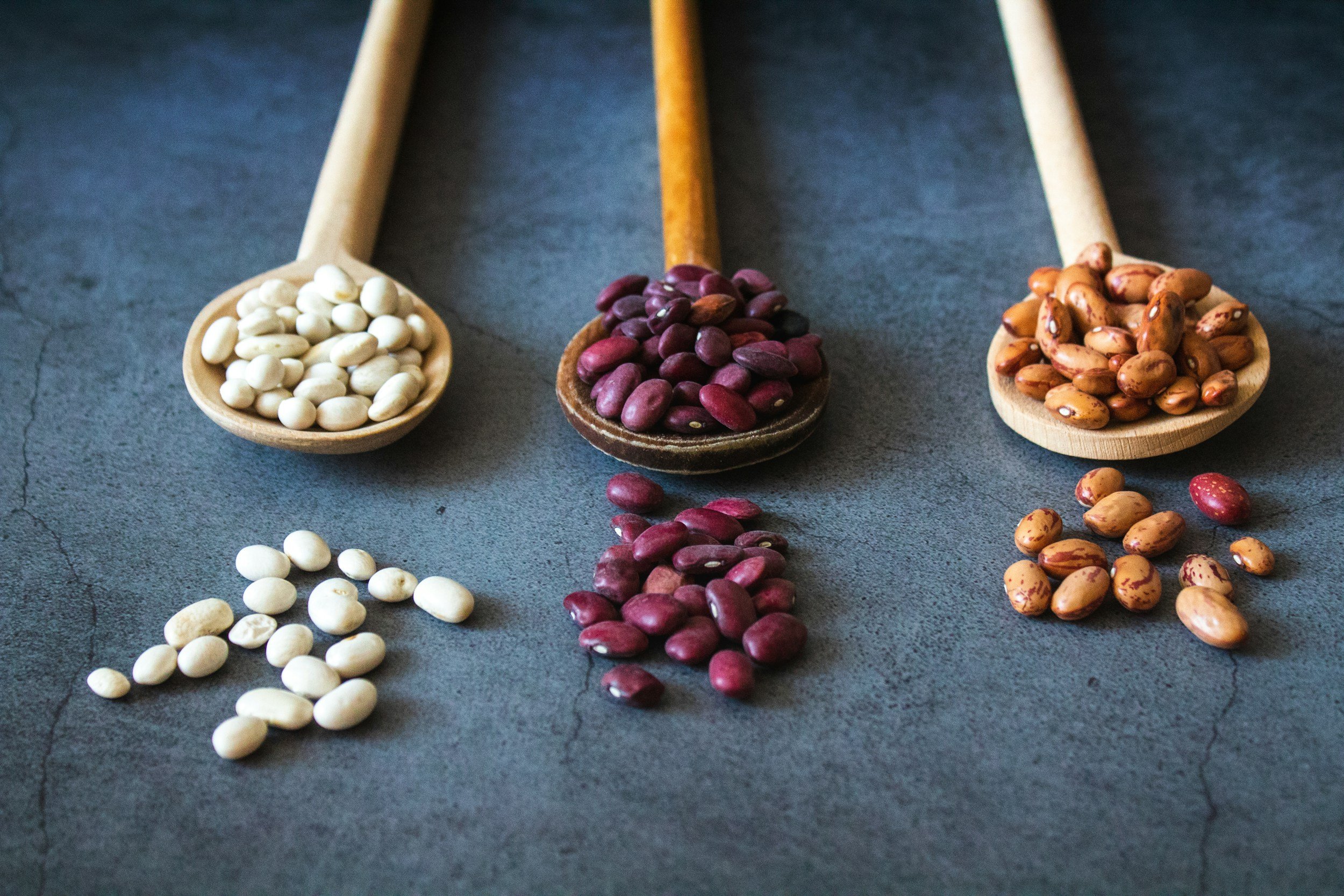
Beans have a bit of a complicated reputation.
On one hand, they're one of the most nutritious foods you can add to your diet. They're rich in fiber, plant protein, minerals, and a variety of compounds that support a healthy gut microbiome. They're also a staple food in several of the world's "Blue Zones" - regions known for unusually high rates of healthy longevity.
On the other hand, if you've ever eaten a big bowl of beans and spent the rest of the afternoon feeling like a balloon, you might wonder:
Are beans actually good for my gut?
The answer is generally yes, but how you introduce them matters.
Why Beans Are Worth Eating
Beans, lentils, and other legumes provide a combination of nutrients that makes them particularly valuable.
They're naturally high in:
Fiber, including fermentable fibers that feed beneficial gut bacteria
Plant protein, which helps support satiety, strength, and muscle maintenance
Folate, magnesium, potassium, iron, and other minerals
Polyphenols and other plant compounds
Complex carbohydrates that digest more slowly than refined carbohydrates
There's also some interesting research connecting legumes with longevity.
In a large analysis of dietary patterns across five populations, higher legume consumption was the only food group that was consistently associated with a lower risk of mortality across all five populations studied. For every 20 grams of legumes consumed per day, mortality risk was approximately 8% lower.
That doesn't mean eating beans will automatically make you live longer. This is observational research, so we can't say that beans caused the difference. But it adds to the evidence that regularly eating legumes can be part of a healthy, longevity-supportive dietary pattern.
What About Weight?
Beans can also be helpful if you're trying to maintain a healthy weight.
Their combination of protein + fiber + relatively slow-digesting carbohydrates makes them particularly filling. In a systematic review and meta-analysis of randomized controlled trials, increasing pulses (beans, lentils, chickpeas, and peas) was associated with modest reductions in body weight, even without intentionally restricting calories.
One reason may be that meals containing beans tend to be more satiating. This means you may naturally feel satisfied with less food and stay full longer. Beans are also naturally low in fat (with only 0.5-1 g of fat per ½ cup serving). For those on a weight loss journey, or just trying to increase their protein intake, beans are a great source of protein with very little fat.
And there's another benefit: beans can replace less nutrient-dense foods.
Adding beans to a meal isn't necessarily about eating more food. You can use them to replace refined carbohydrates or higher-calorie ingredients while adding fiber and protein at the same time.
So Why Do Beans Make Some People So Gassy?
Here's where things get interesting.
Beans contain carbohydrates called oligosaccharides and other fermentable carbohydrates that aren't completely digested in the small intestine. Instead, they make their way into the colon, where your gut bacteria ferment them.
That fermentation is actually part of what makes fiber beneficial. The fiber feeds your gut bacteria, which then produce metabolites called short chain fatty acids (SCFAs) that reduce inflammation, regulate immune responses, support a healthy gut lining, and much more.
The problem is that fermentation also produces gas. And if you don’t have enough of the types of bacteria needed to digest the fiber, things can get uncomfortable pretty quickly.
Suddenly increasing your fiber intake can result in:
Gas
Bloating
Abdominal discomfort
Changes in bowel movements
That doesn't mean beans are bad for your gut, it just means it wasn’t prepared!
Follow the tips below to increase your tolerance for health-promoting, protein and nutrient-rich beans.
4 Ways to Eat More Beans Without Feeling Miserable
1. Start small
This is probably the most important one.
If you're currently eating very little fiber, don't go from zero to a huge bowl of beans every day.
Try starting with 1-2 tablespoons and gradually increasing your portion over several weeks.
Your gut microbiome will adapt to increased fiber intake, and the populations of fiber-digesting microbes will increase the more you feed them, which will lead to more efficient digesting of beans with less unpleasant side effects. Think of this as training your gut, rather than passing or failing a digestion test.
2. Rinse canned beans and cook dried beans thoroughly
Canned beans are incredibly convenient, and there's absolutely nothing wrong with using them.
Drain them and rinse them thoroughly before eating.
This removes some of the liquid containing fermentable carbohydrates and can make them more comfortable for some people.
If you're using dried beans, soaking and cooking them thoroughly can improve digestibility. Soak dry beans overnight, and rinse thoroughly before cooking the next day.
3. Experiment with different legumes
Beans are part of the legume family, and sometimes people tolerate different legumes very differently.
You may find that you tolerate:
Lentils
Chickpeas
Navy beans
Black beans
Pinto beans
very differently.
Find what you tolerate the best and start there. Then expand your intake over time.
4. Increase total fiber intake gradually
This is a big one.
If you're trying to increase your fiber intake (#fibermaxxing, anyone??) don't simultaneously start eating huge amounts of beans, chia seeds, bran cereal, raw vegetables, and fiber supplements.
Your digestive system may not appreciate the enthusiasm.
Instead, increase fiber gradually and consistently while also drinking enough fluid.
What If Beans Still Make You Feel Terrible?
This is where I don't recommend simply saying:
"You just need to eat more fiber."
Some people with IBS, significant food intolerances, SIBO symptoms, or other digestive issues may have a harder time tolerating certain fermentable carbohydrates.
If you're experiencing persistent bloating, diarrhea, constipation, abdominal pain, or significant food reactions, it's worth looking at the bigger picture rather than forcing yourself to eat beans because they're healthy.
You may need to adjust the type, portion, preparation, and timing of your fiber, or temporarily modify your diet while working on the underlying digestive issues.
If this is you, I’d love to work with you to figure out what’s going on. Send me an email at nicole@morningsagewellness.com or schedule a discovery call here.
The goal isn't to win a competition for who can eat the most beans.
The goal is to find a level of fiber and variety that your individual gut can tolerate and build from there.
The Bottom Line
Beans are one of my favorite foods for a healthy, longevity-supportive diet because they offer an impressive combination of fiber, protein, minerals, and prebiotic carbohydrates in one inexpensive, versatile food.
But if you're not used to eating them, start small.
You don't have to go from never eating beans to having them at every meal.
Try a few tablespoons. See how you feel. Increase gradually.
Your gut may just need a little time to catch up.
References
Darmadi-Blackberry I, et al. Legumes: the most important dietary predictor of survival in older people of different ethnicities.Asia Pacific Journal of Clinical Nutrition. 2004.
Kim SJ, et al. Effects of dietary pulse consumption on body weight: a systematic review and meta-analysis of randomized controlled trials.Obesity Reviews. 2016.